Sunday, November 30, 2025
๐๐๐๐ ๐ ๐ฎ๐ฅ๐ฅ๐ฒ ๐๐ฎ๐ฉ๐ฉ๐จ๐ซ๐ญ๐ฌ ๐๐ซ๐๐ฌ๐ข๐๐๐ง๐ญ ๐ ๐๐ซ๐๐ข๐ง๐๐ง๐ ๐. ๐๐๐ซ๐๐จ๐ฌ ๐๐ซ. ๐๐ฆ๐ข๐ ๐๐ฎ๐ซ๐ซ๐๐ง๐ญ ๐๐จ๐ฅ๐ข๐ญ๐ข๐๐๐ฅ ๐๐ฎ๐ซ๐ฆ๐จ๐ข๐ฅ
๐๐๐๐ ๐๐๐ฅ๐๐๐ฌ๐๐ฌ ๐๐ข๐ฌ๐ญ ๐จ๐ ๐๐จ๐ฉ ๐๐ ๐๐จ๐ฌ๐ญ ๐๐จ๐ฆ๐ฉ๐ฅ๐๐ข๐ง๐๐ ๐๐ ๐๐ง๐๐ข๐๐ฌ ๐๐จ๐ซ ๐๐๐๐
Thursday, November 27, 2025
IAEA
Advisory on the Nuri/Korea Space Launch Vehicle-IV (KSLV-IV) Rocket Launch
Wednesday, November 26, 2025
Philippines Presents PH Priorities for ASEAN Chairship in 2026 at Diplomatic Corps and Media Briefings
MANILA 20 November 2025 - Secretary of Foreign Affairs Ma. Theresa P. Lazaro, together with Secretary Ma. Cristina A. Roque of the Department of Trade and Industry (DTI) and Undersecretary Adonis P. Sulit of the Department of Social Welfare and Development (DSWD) briefed the Diplomatic Corps on the Philippines’ theme and priorities for its ASEAN Chairship in 2026 at the Department of Foreign Affairs (DFA) Temporary Headquarters, Pasay City.
Secretary Lazaro introduced the ASEAN 2026 logo, carrying various symbols reflective of the nation and its priorities, collectively denoting ASEAN’s shared journey toward stability, prosperity and people empowerment with the Philippines at the helm.
Secretary Lazaro also presented the theme, “Navigating Our Future, Together,” and the three (3) main priorities or 3Ps of our Chairship – Peace and Security Anchors, Prosperity Corridors, and People Empowerment – which will guide ASEAN’s work across the Political-Security, Economic, and Socio-Cultural Pillars.
As lead for the Political-Security Community, Secretary Lazaro underscored the Philippines’ commitment to reinforcing peace and stability through norms and dialogue, fostering resilience against emerging security challenges, including climate-related risks, and promoting maritime cooperation grounded in international law and ASEAN Centrality.
For the Economic Community, DTI Secretary Roque outlined the key economic deliverables during the Chairship, aimed at strengthening trade and investment linkages, accelerating digital transformation, and integrating ASEAN’s MSME development agenda, leveraging the creative economy, and advancing sustainable and inclusive economies.
DSWD Undersecretary Sulit presented the Socio-Cultural Pillar’s priorities, which include empowering families and vulnerable groups; strengthening regional public health cooperation; promoting youth innovation and digital literacy, including the ethical use of AI; and enhancing food security and climate resilience.
Secretary Lazaro also held a briefing on the Chairship priorities for members of the press corps on the same day.
Saturday, November 15, 2025
PPC hosts Storywriting Workshop in Pangasinan
PBBM approves 10-year Tatak Pinoy Strategy to Boost Industries, Jobs
Thursday, November 13, 2025
๐๐จ๐ฆ๐ข๐ฌ๐ฒ๐จ๐ง๐๐ซ ๐๐๐ง๐๐ข๐ฅ๐ฅ๐จ, ๐ข๐ญ๐ข๐ง๐๐ฆ๐ฉ๐จ๐ค ๐ง๐ ๐๐๐ฆ๐๐ง๐ญ๐๐ฌ๐๐ง ๐ง๐ ๐๐๐ค๐๐ญ๐ข ๐ฌ๐ ๐๐๐ ๐๐ข๐๐ข๐ ๐๐ฒ ๐ง๐ ๐๐๐ ๐ข๐ฌ๐ญ๐๐ซ๐ข๐๐ฅ ๐๐๐๐ญ๐ฎ๐ซ๐
๐๐ฎ๐ฅ๐จ๐ง๐ ๐ง๐ ๐ฆ๐ ๐ ๐๐๐ญ๐ฎ๐ญ๐ฎ๐๐จ ๐๐ญ ๐ ๐๐ ๐๐ฎ๐ง๐ข๐ญ ๐ฌ๐ ๐๐ง๐ ๐ค๐ฅ๐ฎ๐ฌ๐ข๐๐จ๐ง๐ ๐๐๐ ๐ฉ๐๐ฉ๐ฅ๐๐ง๐จ ๐ฌ๐ ๐๐๐ฆ๐๐ก๐๐ฅ๐๐๐ง, ๐๐ฌ๐ข๐ง๐ฎ๐ฅ๐จ๐ง๐ !
Monday, November 10, 2025
28th French Film Festival 2025
๐ฃ๐ ๐๐ผ๐๐๐ ๐๐ฆ๐๐๐ก ๐ ๐ฒ๐ฒ๐๐ถ๐ป๐ด๐ ๐ผ๐ป ๐๐ฑ๐๐ฎ๐ป๐ฐ๐ถ๐ป๐ด ๐๐ต๐ฒ ๐ฅ๐ถ๐ด๐ต๐๐ ๐ผ๐ณ ๐ช๐ผ๐บ๐ฒ๐ป ๐ฎ๐ป๐ฑ ๐๐ต๐ถ๐น๐ฑ๐ฟ๐ฒ๐ป
Sunday, November 9, 2025
Pangasinan Workshop Nurtures New Generation of Storytellers
Saturday, November 8, 2025
The Governance of Technology Adoption: IPv6 Adoption in the Philippines
QCinema announces the participants of the 2025 Critics Lab
Wednesday, November 5, 2025
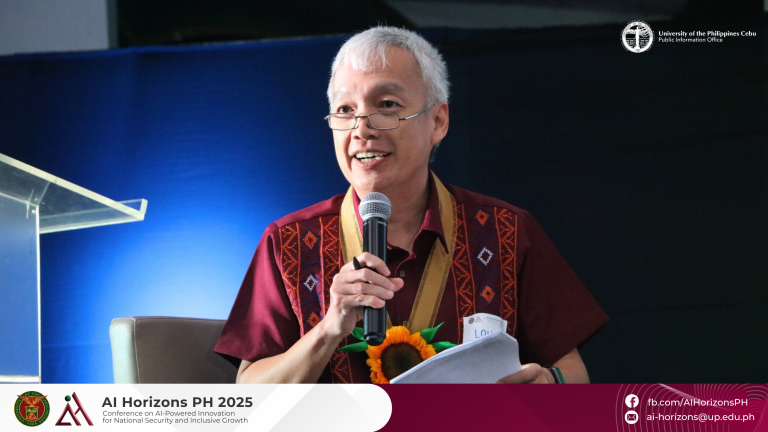
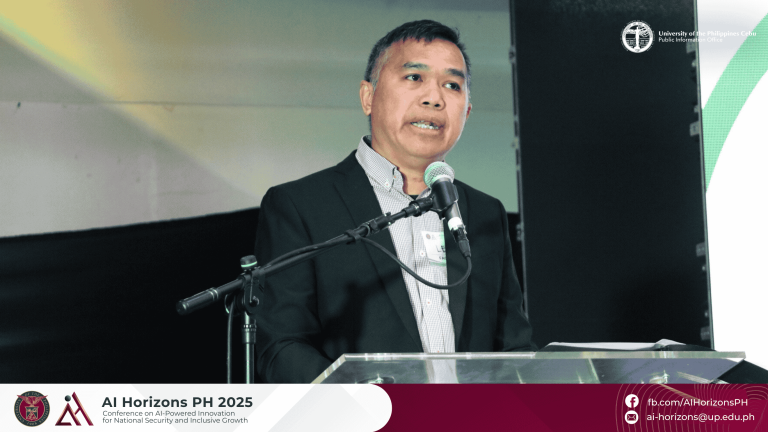
Philippines confronts $4.8 Trillion AI Opportunity, as UP Launches Two-day Conference Addressing Urgent Need for AI Strategy following Devastating Earthquakes

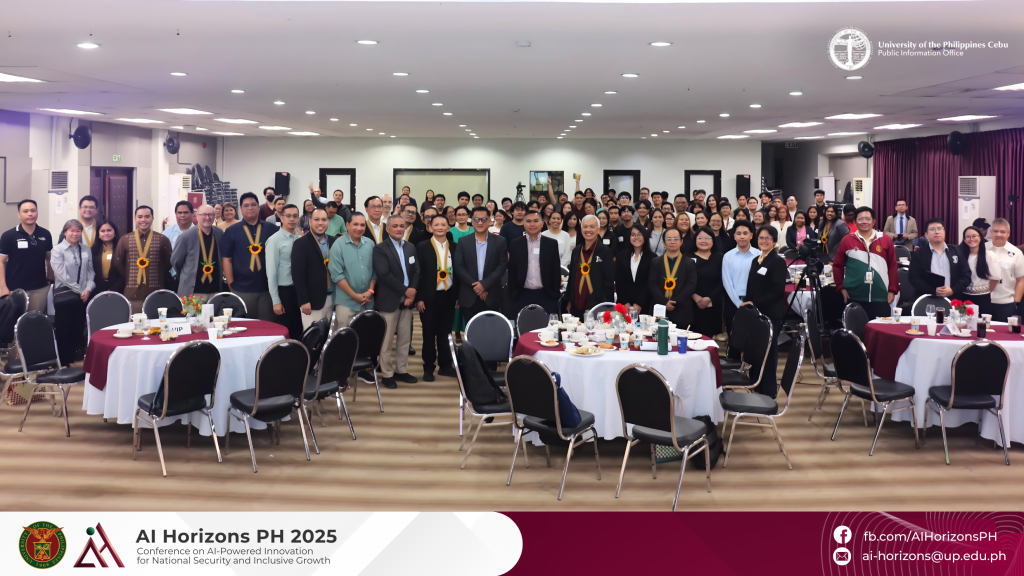
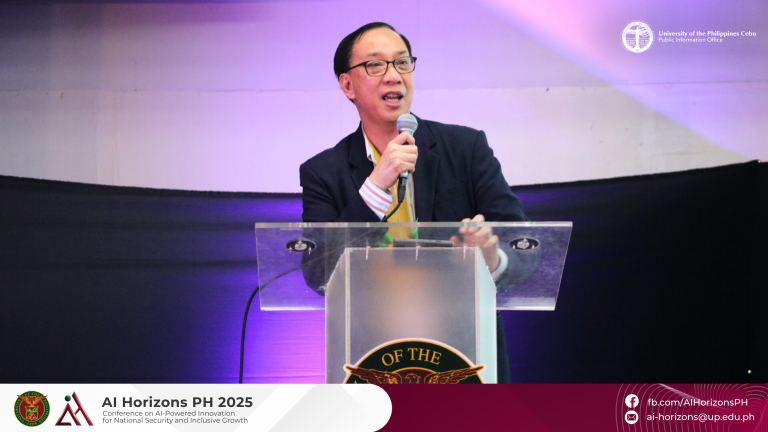
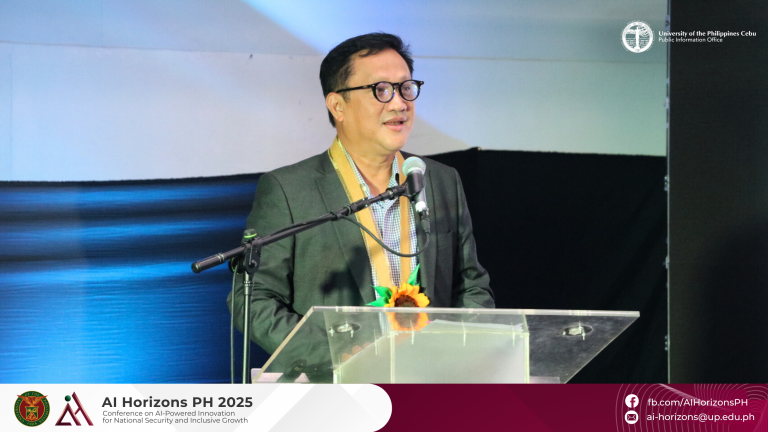
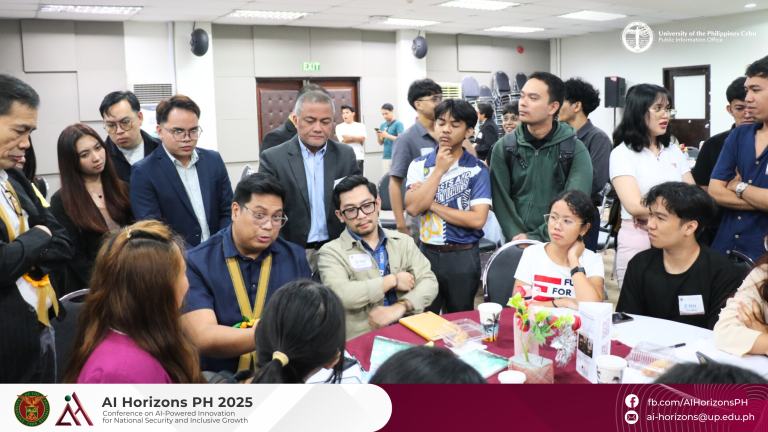
CEBU CITY — The University of the Philippines hosted AI Horizons PH on October 16–17, 2025, at UP Cebu, convening more than 300 leaders and innovators from academia, industry, government, and civil society.
Building on the momentum of last year’s inaugural conference — which drew over 200 participants and sparked collaborative initiatives in agriculture, education, health, and governance — this year’s expanded program tackled four critical sectors: cybersecurity and national security; business process outsourcing and creative industries; disaster risk reduction; and social good and inclusive growth.
As the global AI market accelerates towards $4.38 trillion, AI Horizons PH’25 aims to contribute to the national AI strategy and position the Philippines at the forefront of the digital revolution. The two-day conference featured over 20 technical presentations, real-world case studies, and live demonstrations of AI solutions designed specifically for Philippine challenges and opportunities, bringing together policymakers from government agencies; industry leaders from major BPO companies and technology firms; and international experts from development organizations such as the Asian Development Bank and the Korea Legislation Research Institute.
The conference gains heightened urgency following two devastating earthquakes on September 30 that claimed 75 lives in Cebu and displaced over 669,000 residents; ten days later, a magnitude 7.4 earthquake off Davao brought further casualties and triggered tsunami warnings. These recent events underscore the importance of AI technologies presented at the conference — systems designed to enhance earthquake prediction, strengthen early warning capabilities, and improve emergency response coordination. Such innovations represent critical tools in the ongoing efforts to better prepare communities for when disaster strikes.

“The task before us is to ensure that our technologies serve the public good, that innovation and ethics grow hand in hand, and that the Philippines stands not as a passive observer of the AI revolution, but as a thoughtful and principled leader in it,” stated Professor Prospero C. Naval Jr., AI Horizons PH ’25 Program Committee Chair.
This conference addressed both imperatives: how AI can be leveraged to address both national development and security — areas critical to the nation’s resilience, disaster preparedness, and future.
Protecting Digital Philippines and Critical Infrastructure
The cybersecurity and national security sessions respond to the United Nations’ call for AI capacity-building in developing countries, as market concentration threatens to widen the global technology divide. A small group of corporations, predominantly from the US and China, control 40% of global AI R&D spending, according to the 2025 report by the UN Conference on Trade and Development (UNCTAD). With leading tech giants, the concentration of AI expertise and infrastructure risks leaving developing nations dependent on foreign technology for critical response systems like cybersecurity, national security, and disaster response.
“At a time when AI nationalism is rising and nations are racing for technological supremacy, we assert our sovereignty by building not only powerful systems but just and inclusive ones that uplift generations of Filipinos,” said President Angelo Jimenez, as the country stands at a pivotal crossroads in the age of AI.

This challenge resonates with UNCTAD’s urgent call to action. “UNCTAD’s message is clear: the time to act is now,” emphasized Professor Gisela P. Concepcion, Program Committee member and UP Professor Emeritus. “Without immediate investment in AI infrastructure, data governance, and workforce training, the Philippines risks being left behind—not just technologically, but economically and in our capacity to protect citizens from disasters.”
The AI Horizons conference highlights how local tech capabilities can protect digital infrastructures. Department of Science and Technology Region VI Director Engr. Rowen R. Gelonga discussed the artificial intelligence development strategies and action plan in the regions. This plenary directly addresses UNCTAD’s identification of “infrastructure” as one of three key leverage points for successful AI adoption, alongside data and skills.
Some of the presented AI solutions are threat detection for government and corporate networks, disinformation countermeasures to protect democratic institutions, and maritime security applications for archipelagic defence. In the broader sense, the afternoon sessions examine governance frameworks for AI in national security contexts, including policymaking and portable AI deployment for rapid response in critical situations.
The timing proves particularly relevant as earthquakes in Cebu and Davao cause widespread power outages, damage critical infrastructure, and disrupt government operations. These events demonstrate how physical disasters create cybersecurity vulnerabilities and the potential to use AI systems that can maintain security and operations even during crises.
AI and the Philippine Economy: Adapting for the Future
The Philippine BPO industry employs about 1.7 million Filipinos and contributes $31.6 billion annually, yet faces automation pressures with AI advancement.
The UNCTAD report reveals that reskilling and upskilling with AI are essential in competing in this new technological era. AI-driven automation often benefits capital over labor — reducing the competitive advantage of developing economies’ low-cost labor — and 118 countries remain absent from global AI governance discussions.
“The recent earthquakes revealed vulnerabilities in our digital infrastructure that supports 200,000 BPO workers in Cebu alone,” explained Dr. Joel Joseph S. Marciano, UP VP for Research Innovation and Program Committee member. “Day 1 programming demonstrates how AI can strengthen both cybersecurity defenses and physical infrastructure resilience.”

The Philippine BPO industry must evolve from basic services to AI-enhanced solutions. Companies now seek partners for complex, AI-integrated processes such as predictive analytics, intelligent automation, and AI-assisted decision support, rather than routine tasks machines can handle. Salvador Villasis of the Cebu IT-BPM Organization explores this shift in the plenary session titled: “How Artificial Intelligence will transform the IT/BPM Industry.”
AI’s transformation extends beyond technology services to creative sectors once considered immune to automation. Atty. Jocel Isidro S. Dilag of the Cebu Furniture Industries Foundation examined in her talk how creative sectors must adapt to these changing times.
To empower Filipinos in this age of AI, where UNCTAD reports that up to 40% of jobs could be affected by AI automation, upskilling initiatives must teach workers to harness AI as a tool to reach their full potential. Dr. Drandreb Earl Juanico brought up this approach for competing in English-speaking industries in his talk “AI-DUB: Automated Accent Adaptation for Filipino English as Second Language Speakers in the Global Voice Industry.”
These talks were presented in the plenary session “AI in BPO and Creative Industries” on Day 2 of the conference. Michelle Alarcon, President of the Analytics & AI Association of the Philippines, delivered the keynote speech for this plenary.
Social Good & Disaster Preparedness
Two interconnected tracks at the conference demonstrate how AI can serve communities during both crisis and everyday life — addressing immediate disaster response needs while building long-term capacity in healthcare, education, and governance.
Recent earthquakes in Cebu and Davao — resulting in ₱3 billion infrastructure damage and power outages affecting 819,843 consumers and disrupting over 12,000 schools across Mindanao and Visayas — reflect the broader looming earthquake threats faced by the communities. These disruptions, from halting education to straining emergency response capacity, demonstrate how disasters exacerbate existing vulnerabilities and further delay development.
The disaster risk reduction sessions examined geospatial AI for local governance, exploring how mapping and spatial analysis can support community-level decision-making and resource allocation. Presentations on portable, scalable AI frameworks highlight technologies designed for rapid field deployment during emergencies, while a session on building AI literacy among legal professionals addresses the regulatory capacity needed to govern emerging technologies responsibly.
Complementing these discussions, the social good track showcased how AI applications in everyday sectors strengthen community resilience during crises.
Dr. Johanna Caรฑal, Professor at UP Philippine General Hospital and one of the speakers at last year’s AI Horizons’ Health and Wellness session, shared about developments in AI and Radiology research over the past year: “There’s so much we can do in radiology. We have digital X-rays, CT scans, and MRIs, so the potential is there. At PGH, we do about 35,000 CT scans a year — that’s so much data. Can you imagine the number of data points we have and all the potential research we can do?”
Discussions on AI-powered radiology and healthcare are essential when medical facilities face surge capacity during disasters. On the other hand, sessions on responsible AI integration offered practical frameworks for schools and universities adopting these tools. The program included presentations on AI implementation in process engineering and industrial robotics, concluding with an analysis of AI investment trends across Asia—providing context on how different regions are approaching technology adoption to support inclusive economic development.
These use cases and applications demonstrate that building resilient communities requires both responsive governance systems and equitable access to beneficial technologies.

Outputs for National Development
The choice of Cebu as the conference venue carries both symbolic and strategic weight. As the leading BPO hub outside Metro Manila, Cebu embodies the government’s Digital Cities 2025 program — a decentralization strategy spreading technology benefits nationwide, rather than concentrating them in the capital.
The recent earthquake’s impact on Cebu — and the broader vulnerabilities facing communities across the Philippine archipelago — adds immediacy to discussions on how AI tools can strengthen existing disaster preparedness frameworks alongside community resilience and institutional capacity.
“AI must be our new instrument of nation-building, a tool not of domination but of liberation. We must build AI systems that serve the poor and not replace them,” said Chancellor Atty. Leo Malagar, UP Cebu Chancellor. “AI that empowers us teachers, not erases them. AI that uplifts farmers, not exploits them. AI that strengthens democracy, not manipulates it. And let it be AI that reaches the peripheries, not just one that feeds the center.”

The final pillar of UNCTAD’s framework is data governance — addressing data sovereignty, cross-border flows, and regulatory structures for responsible AI deployment. “Inclusive governance” with representation of all stakeholders, and “international cooperation” provide a level playing field. The conference will translate these into sector-specific strategies through the following outputs:
- A policy brief on the National AI Cybersecurity Strategy policy for government agencies
- AI Integration in the Philippine BPO Sector industry roadmap — for major industry players and government agencies shaping workforce development policies
- Philippine Priorities for AI Social Good multi-stakeholder framework — for development organizations, NGOs, and government agencies working on poverty reduction and social inclusion
“We need to treat our data as the national asset it is, not the resource to be extracted by others. And we need to train our people not merely to use AI but to create it, to interrogate it, to direct it toward ends we collectively choose,” emphasized President Jimenez. Moving forward, these outputs represent the conference’s commitment to translating strategic vision and plenary sessions into actionable frameworks that position the Philippines to actively shape AI’s role in national development and disaster resilience.
๐๐๐ฆ๐ข๐ง๐๐ซ ๐ฌ๐ ๐๐จ๐ซ๐๐ฌ๐ฉ๐จ๐ง๐๐๐ง๐ฌ๐ข๐ฒ๐ ๐๐ฉ๐ข๐ฌ๐ฒ๐๐ฅ ๐ฌ๐ ๐๐๐ ๐๐ฐ๐๐ซ๐๐ง ๐ง๐ ๐๐๐ง๐ ๐ ๐๐ ๐๐ฐ๐๐ง๐ ๐๐๐ง๐๐๐ซ๐๐ฒ๐ฎ๐ก๐๐ง, ๐๐ข๐ง๐๐ข๐ ๐ญ๐ข๐ง๐
๐๐๐ ๐ ๐๐ฆ๐ข๐ญ ๐ง๐ ๐ ๐ข๐ฅ๐ข๐ฉ๐ข๐ง๐จ ๐ฌ๐ ๐ฆ๐ ๐ ๐๐ฉ๐ข๐ฌ๐ฒ๐๐ฅ ๐ง๐ ๐๐ซ๐๐ง๐ฌ๐๐ค๐ฌ๐ข๐ฒ๐จ๐ง ๐ง๐ ๐๐จ๐ค๐๐ฅ ๐ง๐ ๐๐๐ฆ๐๐ก๐๐ฅ๐๐๐ง ๐ง๐ ๐๐ฎ๐ง๐ ๐ฌ๐จ๐ ๐๐๐ฅ๐๐ง๐ณ๐ฎ๐๐ฅ๐, ๐๐ฌ๐ข๐ง๐๐ค๐๐ญ๐ฎ๐ฉ๐๐ซ๐๐ง
Monday, November 3, 2025
Filipino Game Developers Secure $4.87-M in Sales Leads at Gamescom 2025
Sunday, November 2, 2025
APEC Ministers Press for Stronger Innovation and Connectivity to Safeguard Regional Growth
Saturday, November 1, 2025
Global Experts at UN Workshop Find Climate Change is Threatening the Earth’s Animal Migrations
#PACE50: Empowering Voices in Emergent and Divergent Spaces
The Philippine Association of Communication Educators (PACE), the country’s premiere, biggest, and most dynamic professional group of media and communication educators and practitioners, will celebrate its 50th Anniversary on October 23-25, 2025 with the theme #PACE50: Empowering Voices in Emergent and Divergent Spaces. The three-day event, which is hosted by UP Los Banos, co-presented by SEARCA, and sponsored by PagIBIG Fund will feature the Communication and Media Studies Conference (CMSC) where academic papers of faculty and students will be presented and the PACE of the Future Student Camp (PFSC), which will showcase the best outputs of communication students from its member institutions in Luzon, Visayas, and Mindanao.
Serving as opening keynote speaker is French journalist Pascal Guenee, chair of the World Journalism Education Council, while the closing keynote speech will be delivered by Dr. Jayeel Cornelio, director of the Science Education Institute of the Department of Science and Technology.
The opening program will also feature two plenary lectures by Fr. Dennis Cagantas, co-founder and chair of MEND: Music for the Environment and Nation Development, and Mr. Red Batario, founder and executive director of the Center for Community Journalism and Development.
PFSC will have industry experts for its coaches including DZMM’s Ricky Rosales (broadcasting), Fyt Media’s Voltaire Tupaz (journalism), PRSP’s Norman Agatep (integrated marketing communications), Star Cinema’s Kriz Gazmen (film), PageOne’s Ron Jabal (events), ScicommPH’s Ruby Cristobal (devcom), and Mapua’s She Andes (documentary).
The CHED Technical Panel for Journalism, Broadcasting, and Communication and the Technical Working Group for Graduate Education will have a special session, too.
Capping the three-day event is the 50th Anniversary Gala Night, Homecoming, and Recognition Ceremony, which will be held at the Charles Fuller Baker Memorial Hall, UPLB. Highlight of the celebration is the recognition of former presidents of the association and the different institutions and organizations with whom PACE forged partnerships with through the years and the induction ceremonies of the newly elected PACE board for AY 2025-2027.
PACE President Mark Lester del Mundo Chico expressed his deep gratitude to the administration of UPLB for its strong support to the organization. “We thank Chancellor Jose V. Camacho, Jr., and the whole UPLB community for the overwhelming support to PACE,” Chico said.
Chancellor Camacho on his part reiterated his unwavering commitment to advance the practice of communication. “The partnership and collaboration of great minds in both UPLB and PACE will nurture scholarship, research, public service, and extension in the field of communication for the future of students, scholars, and advocates of communication education,” he said.
In the book titled PACE turning 50: A history of the Philippine Association of Communication Educators, Dr. Crispin Maslog fondly recalls that PACE was initially conceived when, at the end of a conference at El Grande, Paranaque, communication educators decided to put into action the plans they have envisioned. Through the sponsorship of the Department of Public Information, communication educators met at the Lualhati House in Mansion House, Baguio City on October 23-25, 1975, to discuss the idea of forming an association. Among the institutions present were Ateneo de Manila University, Maryknoll College, Mindanao State University, Pamantasan ng Lungsod ng Maynila, Philippine Women’s University, Silliman University, St. Joseph’s College, Saint Louis University, St. Paul College, University of the Philippines, Diliman, University of the Philippines Los Baรฑos, and the University of Santo Tomas.
Founding members of the association included Fr. Alberto Ampil, S.J. (Ateneo), Pedrito Jose V. Bermudo (PLM), Albert Casuga (DPI), Nanette F. Diyco (UST), Carolina S.J. Fajardo (Maryknoll now Miriam College), Nora C. Quebral (UPLB), Raul R. Ingles (UP Institute of Mass Communication), Crispin Maslog (Silliman University), Clodualdo del Mundo, Jr. (De La Salle University), Virgilio L. Pernito (St. Paul’s College Manila), Sr. Geraldine Serrano, CFIC (St. Joseph’s College), Leticia Tolentino (St. Louis University), and Yolanda V. Velasco (PWU).
Fifty years after its inception, PACE remains steadfast in its mission of promoting the development of communication education to address current trends and issues affecting stakeholders in communication, assisting member schools in curriculum planning to ensure vertical articulation to local and global communication needs, fostering collaboration with industries for faculty professional development and ensuring enrichment of learning experiences for students to prepare them as front liners in the communication field.
Among its flagship projects are the Communication and Media Studies Conference, PACE of the Future Student Camp, webinar series and the Training the Teachers workshops in collaboration with different organizations like the Pinoy Media Congress series with ABS-CBN, film workshop with the Film Development Council of the Philippines, and Class Project: Intercollegiate Mini-Documentary Competition sponsored by Knowledge Channel.
PACE acknowledges the full support of the UPLB community including the:
Office of the Chancellor
Media and Communication Office
Ugnayan ng Pahinungod
Graduate School
University Housing Office
Office of the Vice Chancellor for Research and Extension
Office of the Vice Chancellor for Innovation and Enterprise Management
Business Affairs Office
Resource Generation and Development Office
University Planning and Maintenance Office
Digital Innovation Center
Security and Safety Office
Department of Development Broadcasting and Telecommunication-College of Development Communication
UPLB Live Events Production Team
UPLB Talent Pool
UPLB Sandayaw Cultural Group
UP Community Broadcasters’ Society
Radyo DZLB Ang Tinig ng Kaunlaran
Tanglaw
St. Paul University Quezon City