Wednesday, April 30, 2025
Call to stop fossil gas expansion in Southeast Asia’s marine biodiversity hotspots made at Our Ocean Conference 2025
Monday, April 28, 2025
IPOPHL Calls for Amplified Collaboration to Intensify IP Awareness, Help Music Industry Hit High Note
Sunday, April 27, 2025
Sweden and the Philippines bolster partnership in Responsible, Sustainable Mining and Climate Action
April 2025 - Acknowledging the significance of mining in the economic, social, and environmental domains for both Sweden and the Philippines, Secretary Maria Antonia Yulo Loyzaga, Department of Environment and Natural Resources (DENR), spearheaded a delegation to Sweden. President Mr. Luis Sarmiento of the Philippine Mine Safety and Environment Association, Engr. Adrian Caamiño from the Mindanao State University, and Swedish companies Epiroc and Volvo Construction Equipment also joined the delegation.
Business Sweden and the Embassy of Sweden in Manila hosted the High-Level Mining Delegation to Sweden, which focused on knowledge-sharing and provided a first-hand exposure to Sweden’s advanced clean mining solutions.
Sweden is a leading mining nation at the forefront of sustainable and innovative mining technologies, with of approximately 90% of all iron ore production in Europe and ranked #1 in the 2024 Global Sustainable Competitiveness Index. Swedish companies represent ~65% of the global underground mining equipment market share and have developed initiatives such as the Hybrit green steel production and electrified and automated mines, resulting in increased safety.
Sweden’s history in mining dates back more than 800 years, and the past century has been marked by a successful triple-helix collaboration bringing together government, private sector, and academia for research and innovation. Currently, there are 13 mines in operation, including the world’s largest underground iron ore mine in Kiruna.
Swedish Minister for Climate and the Environment Ms. Romina Pourmokhtari and Secretary Loyzaga met bilaterally and exchanged views on possible areas of cooperation including in the fields of green transition, sustainable mining, disaster risk management, water quality and supply management, ocean and coastal protection, forestry and infrastructure projects arising from the Philippine National Adaptation Plan 2023-2050 and the Implementation Plan for the Republic of the Philippines Nationally Determined Contributions (NDC) 2020-2030.
“The Philippines appreciates Sweden’s pledge to contribute to the Fund for responding to Loss and Damage. The Philippines, as the host of the Board of the Fund, ensures that the Fund is used in accordance with the objectives set forth during the 27th Conference of Parties in 2022”, said Secretary Loyzaga, who is also the President Ferdinand Marcos Jr.’s representative in the Climate Change Commission.
In the delegation program, Business Sweden’s Deputy CEO Johan Snellman and Business Sweden’s Director for Mining and New Materials Mikael Johansson presented Sweden’s long history in mining. They also discussed the initiatives of Swedish International Development Cooperation Agency (Sida), International Council of Swedish Industry (NIR), and the Swedish Export Credit Agency (EKN) across markets focusing on responsible and sustainable mining.
Swedish mining and mineral processing company Boliden provided an overview of their operations and sustainable ways of working. Volvo CE also presented their experience in responsible and sustainable mining and their collaboration with the mining companies.
Secretary Loyzaga connected with leaders of the Swedish private sectors during the visit. She met with Mr. Marcus Wallenberg, Chairman of the Wallenberg Sphere, upon his invitation. They discussed the business climate and the priority areas in sustainable, responsible, and extraction of resources considering the Philippines’ diverse ecosystems.
Secretary Loyzaga also paid a visit to Mr. Henrik Lenning, Acting Managing Director of Stora Enso Skog AB and Ms. Marie Saxe, Sustainability Director at Stora Enso AB. Their conversations revolved on tools and processes used in forest management, key considerations in harvesting from forests and plantations, optimization of harvested trees, and the commitment of Stora Enso to ensure net-positive impact on biodiversity in its forest and plantations. Stora Enso AB is one of the largest private forest owners in the world, and a leading provider of renewable products in packaging, biomaterials, and wooden construction.
Luleå University of Technology (LTU) also welcomed the Philippine delegation. They discussed the potential for increased resource efficiency, for example, to reuse of tailings (the leftover materials in the extraction of precious minerals) and increased safety practices in tropical and disaster-prone areas. LTU underscored the ongoing collaboration with the University of the Philippines and CARAGA State University focusing on research and supporting study programs at the master level.
"We look forward to fostering future collaborations for a more sustainable mining industry,” said Mr. Thomas Aiglsperger, Director of the Center for Advanced Mining and Metallurgy.
Learning from Sweden’s Mines
The Philippine delegation visited Epiroc headquarters in Sickla, near Stockholm, where their underground mine serves as a testbed. They also toured the Falun Copper Mine in Dalarna, Eastern Sweden, a UNESCO heritage site once responsible for 70% of the western world's copper production in the 17th century, now a museum. The delegation was hosted by Dalarna Governor Ms. Helena Höij, Ms. Anna Björkman, and Ms. Maud Hallmans from Invest in Dalarna.
Additionally, the delegation visited the Viscaria mine, a copper-iron ore project in the Kiruna mining district and met with its CEO, Mr. Jörgen Olsson. The program concluded with a visit to LKAB's Kiruna mine, the world's largest and most modern underground iron ore mine. Due to mining expansion, Kiruna's town center is being relocated two miles east, with over 20 historical buildings being moved to a new downtown district.
Secretary Loyzaga emphasized the drive of the current administration towards the establishment of a positive environment for responsible mining. The common priorities linked to climate action including transition to a low-carbon economy, sustainable forestry, energy efficiency and renewable energy.
“This mission is particularly significant as Sweden is a global leader in sustainable minerals development. This is also crucial given the global geopolitical shifts and the growing impacts of climate change,” remarked Secretary Loyzaga.
Ambassador of Sweden to the Philippines Anna Ferry underscored that this is a key initiative to support the Philippines in its green transition and Sweden’s continuous commitment in strengthening, deepening, and furthering collaboration with the Philippines.
About the Embassy of Sweden in Manila
Sweden has had diplomatic relations with the Philippines since 1947. The Embassy’s main task is to represent Sweden in the Philippines and to strengthen the relations between the two countries. Its focus is on promoting trade and investment and building partnerships including security policy.
For more information, contact:
Athena Cartagena, Communication and Political Affairs Officer
athena.cartagena@gov.se
Website: swedenabroad.com/manila
Facebook: facebook.com/SwedeninManila
LinkedIn: linkedin.com/company/swedeninmnl
About Business Sweden
Business Sweden is the trade and invest council of Sweden, with operations in more than 40 markets globally. It is jointly owned by the Swedish government and the private sector, and it has a unique mandate to help Swedish companies grow global sales and international companies invest and expand in Sweden.
Friday, April 25, 2025
Peace Journalism in the Digital Age: HWPL Workshop Explores Ethics, AI, and Global Cooperation
The HWPL International Workshop on Peace Journalism Studies, held on April 17, 2025, brought together journalists, scholars, and peace practitioners to explore how peace journalism can help address global challenges such as misinformation and conflict in an era of rapid digital transformation. The event was hosted online by an international peace NGO, Heavenly Culture, World Peace, Restoration of Light (HWPL), with around 200 participants joining from 50 countries.
Under the theme of Transforming Conflict through AI and Cultural Understanding, a key focus of the workshop was the growing impact of artificial intelligence (AI) on journalism. Discussions explored how journalists can responsibly integrate new technologies while upholding essential values such as accuracy, fairness, and empathy.
The event also featured discussions centered on the recent publication, Peace Journalism Studies (2024). The journal highlights peace journalism’s potential to foster reconciliation and cross-cultural understanding, especially in regions affected by conflict. Case studies demonstrate how constructive reporting can help bridge divides and support long-term peacebuilding.
In a congratulatory message, Mr. Berry Lwando, Director General of the Zambia National Broadcasting Corporation, remarked, “In today’s fast-paced media landscape, what we choose to highlight matters. Peace journalism isn’t about ignoring conflict—it’s about framing it in ways that invite dialogue, not division. That’s a responsibility we carry.”
In his article, Director of News, Sports and Current Affairs / ABS TV Radio in Antigua and Barbuda, Mr. Garfield Burford, underscores the importance of evidence-based reporting to counter misinformation. While AI can make journalism more efficient, he cautions that it also raises concerns about accuracy and trust. He emphasizes that ethical judgment and human empathy remain essential to the work of a journalist.
From the Philippines, Dr. Musa Damao, Executive Director of angsamoro Dialogue for Peace and Justice, Inc., highlights how peace journalism supports the Bangsamoro peace process. He advocates for integrating peace education into school curricula and highlights how morally grounded journalism can contribute to lasting peace and development.
CEO of Varna Institute for Peace Research in Austria, Mr. Josef Mühlbauer, explores how open dialogue and debate can help challenge harmful narratives. He references the “Varna Peace Institute” podcast as a platform where open discussions help uncover root causes of conflict and promote understanding.
The workshop also aligned with HWPL’s broader peace initiatives, particularly the Declaration of Peace and Cessation of War (DPCW). Article 10 of the DPCW, “Spreading a Culture of Peace,” emphasizes the role of media in promoting harmony through responsible communication. HWPL continues to advocate for journalism that contributes to a more peaceful and inclusive society.
The event concluded with a call for stronger collaboration among journalists, academics, and peacebuilders, reaffirming a shared commitment to ethical and thoughtful journalism in a rapidly evolving media environment.
The latest volume of the Peace Journalism Studies by the Media Association for Global Peace can be downloaded here: https://bit.ly/PeaceJS
Frontliners Join Forces with Multi-Sector Partners for ‘Big One’ Earthquake Simulation Drill
APRIL 25, 2025, PAMPANGA—In a major step toward national disaster preparedness, healthcare frontliners and multisectoral partners launched the country’s first medical-focused earthquake simulation drill, designed to prepare for a potential “Big One” scenario.
The event, titled “Frontline: Tripartite Simulation Drill for Disaster Risk Mitigation,” is a collaborative initiative led by the Philippine Medical Association (PMA), Asia Pacific Alliance for Disaster Management Philippines (A-PAD PH), and the Philippine Disaster Resilience Foundation (PDRF).
“This drill is more than a simulation—it’s a critical step in strengthening the skills and readiness of medical practitioners to deliver and manage emergency care during large-scale disasters,” said Dr. Hector Santos, President of the Philippine Medical Association.
Held at the PDRF Emergency Operations Center in Clark, the two-day exercise featured a combination of scenario-based tabletop discussions and live-action drills that tested emergency protocols, communication systems, and cross-sector coordination during a simulated magnitude 7.2 earthquake.
Amid growing threats from natural hazards and public health crises, the simulation aims to break down operational silos between sectors—ensuring that government agencies, private institutions, and international responders can work in concert during real-life emergencies.
“A crucial part of this initiative is interoperability,” said Gilbert Albero, President of A-PAD Philippines. “We need to practice how we coordinate and communicate with our partners for us to strengthen our partnerships in building safer communities.”
A highlight of the event was the ceremonial signing of a Memorandum of Understanding (MOU) between PMA, A-PAD PH, and PDRF, signaling a year-long commitment to advancing joint disaster response efforts. The MOU outlines strategic collaborations on resource mobilization, volunteer training, community outreach, and health-focused resilience research.
“This simulation proves that when government agencies, medical associations, and private sector leaders come together, we can forge a response that is not only faster, but also smarter and more united,” said Butch Meily PDRF President.
The simulation drill, hosted by the Clark Development Corporation (CDC), Philippine College of Emergency Medicine, Angeles City Medical Society, Philippine Emergency Medical Assistance Team – Luzon (PEMAT–Luzon), Department of Health (DOH), Office of Civil Defense (OCD), and the Department of Foreign Affairs (DFA).
“We are laying the foundation for a future where our frontliners are not only reactive but ready—not only brave, but backed by a system that helps them succeed,” Dr. Santos added.
The tripartite drill is expected to serve as a model for future national and regional medical simulations, as the Philippines continues to strengthen its disaster preparedness and health emergency systems.
Monday, April 21, 2025
Tomato Can Survive Shorterm Flooding When Planted along with Rice––Study
A study published in the Philippine Journal of Science revealed that a tomato, mixed-planted with rice can survive short-term flooding during its vegetative stage and produce good crops.
According to the Department of Agriculture (DA), tomato is an important and popular vegetable grown in all parts of the country, and it is also regarded as one of the most profitable crops during the dry season.
However, tomatoes are highly susceptible to flooding even for a short period because they cannot transport oxygen from the atmosphere directly to their roots. Thus, researchers from the Philippine Rice Research Institute (PhilRice) and Central Luzon State University (CLSU) in Nueva Ecija explored the potential of mix-planting tomatoes with rice to test if they can survive and yield during the wet season.
“Given the nutritional importance and widespread use of tomatoes, our study aimed to contribute to agricultural sustainability by mitigating these production constraints brought about by transient flooding,” one of the researchers Abegail Pascua said.
The study titled “Will Tomato Mix-planted with Rice Survive under Vegetative Stage Transient Flooding?” explained that rice is adapted to flooding because it has the ability to transport oxygen from the atmosphere to the roots through its aerenchyma–longitudinal holes within the roots.
Pascua further explained that some of the transported oxygen to the roots is even leaked–technically known as radial oxygen loss–to oxygenate the soil environment.
“If the tomato is intercropped with rice and experiences flooding, the leaked oxygen from rice roots may be beneficial for the tomato as a source of oxygen for its roots to survive the short-term soil oxygen deficiency,” Pascua added.
According to the study, the researchers used a hybrid, heat-tolerant tomato variety named Diamante max F1, also known as “table tomato”, which has an intermediate resistance to bacterial wilt–a plant disease caused by bacteria.
Moreover, the rice varieties used were NSIC Rc 216 also known as irrigated lowland variety, and NSIC Rc 25, or upland rice variety.
Sources across the web explained that upland rice is grown in naturally well-drained soil, while lowland rice is grown in flood-prone fields.
With that, of the two varieties of rice used in the study, it showed that only tomato mix-planted with irrigated lowland variety of rice yielded fruit in both the short-term and continuous flooding. Thus, researchers suggest that further studies are needed to explore potential rice genotypes.
“The most rewarding aspect of this research, culminating in the publication in the Philippine Journal of Science (PJS), was contributing to both scientific knowledge and agricultural innovation. Our study, a pioneering investigation into the mix-planting of tomatoes and rice, provides a foundation for future research in intercropping and climate change resiliency in crops,” Pascua said.
The study was co-authored by Franz Marielle N. Garcia, Rosemarie T. Tapic, Jayson O. Villamor, and Roel R. Suralta.
The Philippine Journal of Science is the oldest scientific peer-reviewed journal in the country, published regularly by the Department of Science and Technology - Science and Technology Information Institute. For more information, please visit www.philjournalsci.dost.gov.ph. By Claire Bernadette A. Mondares, DOST-STII
Young Researchers Explore Use of Bacteria and Fungus against Banana Wilt Disease
Bananas are one of the most consumed agricultural products in the country. In fact, the Philippine Statistics Authority (PSA) reported that banana production was estimated at 2.29 million metric tons from April to June 2023. The report said this data indicated an annual increase of 0.1 percent from the same period in 2022.
Among the 20 known varieties of bananas in the Philippines, the Cavendish variety is the most common and widely cultivated, with the highest production of 1.17 million metric tons in 2023 alone, accounting for 51.5% of the total banana production.
However, despite the high production in the banana industry, growers are experiencing challenges due to certain plant diseases or wilt, which cause significant losses.
According to the Department of Science and Technology-Philippine Council for Agriculture, Aquatic, and Natural Resources Research and Development (DOST-PCAARRD), the banana industry’s major problem is its susceptibility to diseases such as banana bunchy top disease (BBTD), Sigatoka, and Fusarium wilt, also known as Panama disease.
In an episode of ExperTalk aired via the DOSTv, the Hijo Resources Corp.–one of the top banana producers in the Davao region–said that banana wilt affects around 3-5 percent of their total productivity.
Fusarium wilt is a soil-borne fungal disease caused by the fungus called Fusarium oxysporum that damages plants' vascular systems, leading to wilting, yellowing, and eventual death.
“Fusarium wilt is a plant disease which came from a fungus called Fusarium. It attacks different types of plants, however, there is a specific strain that attacks bananas. This is what we call Fusarium oxysporum f. sp. cubense, which can affect all types of bananas,” Dr. Merlina H. Juruena, research director at the University of the Southeastern Philippines (USEP), said.
“The fungus Fusarium oxysporum f. sp. cubense, or what we call Foc–as a soil-borne fungus–have the ability to stay alive despite the banana being out of the soil. It is because this fungus has a structure called Chlamydospores,” she added.
As further explained, Dr. Juruena said that when the fungus runs out of food in the banana, which became their home and source of nutrients, the fungus will automatically form a resting structure called Chlamydospores.
Chlamydospores are structures that allow the pathogens to survive in unfavorable conditions. For example, even if it is exposed to the sun or soaked in water, the fungus will remain alive. Not even the ordinary chemicals used in plantations can fight it.
However, despite being infected with Foc, Dr. Juruena clarified that bananas are still safe to eat because it has no direct effect on the nutrient content of banana fruit, and most importantly, the disease cannot be transmitted to humans.
Meanwhile, if the infection continues, the method of planting Cavendish bananas will be affected. Since no seed can be planted, the only way to produce it is to regrow the shoots of the Cavendish variety.
To address this problem, researchers from the USEP are exploring solutions to lessen the harmful effect of Foc, targeting bananas.
“It causes blockage to the vascular vessel. Prior to that, the Foc infects bananas through fine root hairs. It stays in the vascular bundle, in the pseudostem,” plant pathologist Vladimir Ivan Dodongan said, explaining how fungus attacks bananas.
The vascular vessels of a plant are important for transporting water and nutrients.
In his study, Dodongan explored the effectiveness of Trichoderma harzianum, a fungus that is known as a biological control agent used to control the population of pests and pathogens in plants.
“The result is less manifestation, or the severity of the disease. There is still yellowing, but not as severe as compared to the uninoculated or untreated with Trichoderma harzianum,” Dodongan said.
On the other hand, Johanna Roselle Salvar, also a plant pathologist from USEP, is testing if bacterial endophytes from the roots of a healthy banana plant can fight the fungus of an infected Cavendish plant.
“I found out that bacterial endophytes from the healthy banana roots have potential, both in laboratory conditions and greenhouse conditions. The result is it lessens the severity of the Fusarium [wilt],” Salvar said.
Dodongan and Salvar are still working to improve their studies. If proven effective, these solutions may be helpful for banana growers in managing plant diseases like Fusarium wilt.
Acknowledging the importance of these inventions, USEP encourages the next generation of experts to dive into the world of plant pathologists and explore their potential in this field.By Claire Bernadette A. Mondares, DOST-STII
Friday, April 18, 2025
iHeatMap, an Online Monitoring Guide for Heat Index
NEUROMAP PH to Advance Early lDetection of Neurological Disorders
Filipinos suffering from brain and mental health conditions may soon benefit from improved diagnosis and treatment options.
Thanks to the Department of Science and Technology's (DOST) Neuroimaging Technologies for Improved Diagnosis and Treatment of Neurological and Neuropsychiatric Conditions in the Philippines (NEUROMAP PH) project that introduces innovative brain imaging technologies for earlier and more accurate detection of neurological and neuropsychiatric disorders, including Alzheimer’s disease and dementia.
NEUROMAP PH, implemented by the St. Luke’s Medical Center, is the first project in the Philippines to integrate multimodal imaging systems. These systems combine structural-functional magnetic resonance imaging (sMRI and fMRI), diffusion tensor imaging, and positron emission tomography (PET). These help clinicians identify early markers of conditions such as Alzheimer's disease and frontotemporal dementia, which often go undiagnosed due to the current lack of specialized diagnostic tools.
A population-based study revealed that 10.6% of elderly Filipinos have undiagnosed dementia or Alzheimer's disease, leading to delayed care and preventable deaths. Alzheimer's accounts for 85.5% of dementia cases among Filipinos aged 60 and above, with projections indicating a surge in dementia diagnoses, potentially reaching 1.5 million by 2030 and 2.5 million by 2050. Despite the rising elderly population and growing dementia cases, no local effort has integrated imaging modalities to detect neurodegenerative diseases until now.
"With the neuroimaging biobank, I am positive that this will open more doors to more comprehensive R&D efforts and better diagnostic methods," said DOST-PCHRD Executive Director Dr. Jaime C. Montoya, reaffirming the Council's commitment to strengthening brain and mental health research.
Funded with PHP 60 million by the DOST – Philippine Council for Health Research and Development (PCHRD), NEUROMAP PH aims to strengthen the country's capacity for early detection and management of neurological conditions. The project also seeks to establish a scalable neuroimaging biobank, supporting the development of localized diagnostic protocols and promoting ongoing research in brain and mental health.
“We, at DOST, are invested in providing solutions to a more comprehensive and collaborative approach in developing technologies to assess and allow early detection for Neurological and Neuropsychiatric Conditions,” said DOST Secretary Renato U. Solidum, Jr. “Through projects like NEUROMAP PH, we open opportunities for stronger partnerships with experts overseas to strengthen our local research capacity. We hope to build the necessary infrastructure and enhance the skills of our local experts in creating effective treatment strategies for brain and mental health conditions in the country,” Secretary Solidum added.
The project envisions establishing a Brain Mapping Center, a dedicated facility for advancing research, diagnostics, and unified management of neurological diseases. Through evidence-based strategies, this center will further contribute to the effective implementation of Republic Act No. 11036 or the Mental Health Law.
While the project is ongoing and locally led by Filipino researchers, NEUROMAP PH benefits from technical support through its partnership with the Brain and Mind Research Center of Nagoya University in Japan. Japanese researchers assist in refining protocols for image acquisition and analysis while training local researchers in advanced neuroimaging methods, further enhancing the project's capacity to meet the country's growing neurological health needs.
Philippines Competes in Global Invention in Geneva

Official Digital Poster of the 50th International Exhibition of Inventions Geneva (IEIG) (Photo reference:https://www.palexpo.ch/en/evenement/50th-international-exhibition-of-inventions-geneva/)
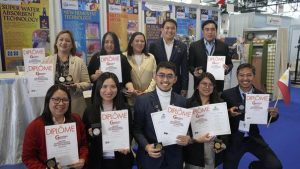
The Department of Science and Technology showcases a diverse lineup of technologies to compete at the 50th International Exhibition of Inventions Geneva (IEIG) in Palexpo, Geneva, Switzerland from April 9 to 13, 2025.
The DOST through the Technology Application and Promotion Institute’s (DOST-TAPI) Science and Technology Promotion for International Contest and Exhibits (SPICE) Program presents the innovations, which aims to forge international partnerships and demonstrate the Philippines’ growing capabilities for technological innovation and advancement.
“It is our third time to present Filipino innovations to the world in Geneva, Switzerland,” said DOST-TAPI director Marion Ivy D. Decena. “Our participation in this event provides a platform to showcase the Philippines’ commitment to addressing global issues and challenges through the use of science and technology.”

Last year, the Philippine delegate secured silver and bronze awards for all nine showcased inventions during the 49th IEIG, securing its spot as the rising innovation hub in diverse fields. For this year, the Philippines showcases technological advancements in the field of food processing, disaster risk reduction and management, sustainable materials, and healthcare management.
The following are the Philippine entries to the 50th IEIG:
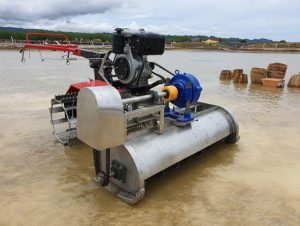
- Continuous Screw Type Salt Washer
Inventor/s: BRIONES, Annabelle V. DE VERA, Carlos J.; EVANGELISTA, Oliver C; NUVAL, Jayson B.; CANCERAN, Melquiades B. and CRUZ, Alexander G.
Company Name: Industrial Technology Development Institute, Department of Science and Technology (ITDI-DOST)
This efficient and affordable salt washer removes impurities, ensuring salt meets the required purity levels for food industries. A reliable solution for increasing production quality and competitiveness in the global market.

- Three-in-One Mobile Salt Crusher, Washer, and Harvester Equipment
Inventor/s: BRIONES, Annabelle V.; EVANGELISTA, Oliver C; NUVAL, Jayson B.; MARFAL, Raeyjan V.
Company Name: Industrial Technology Development Institute, Department of Science and Technology
A compact, mobile system that transforms raw salt into high-purity salt, directly at the production site. This technology reduces processing time, steps, and costs, empowering local salt producers and boosting economic opportunities.

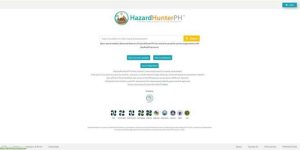
- HazardHunterPH: Systems and methods in conducting multiple single hazard assessments
Company Name: Department of Science and Technology – Philippine Institute of Volcanology and Seismology (DOST-PHIVOLCS)
A user-friendly tool for instant hazard mapping and analysis, enabling proactive disaster preparedness. Search locations easily and accessible data to mitigate risks and protect lives.

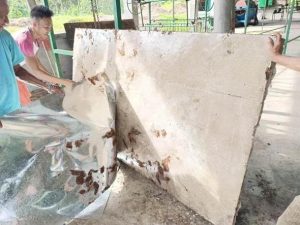
- Earth Board: Coir-reinforced Bio-Based High-Density Polyurethane Composite for Structural Panels
Inventor/s: Kenno Michael Uy and Amierson C. Tilendo
Company Name: Lesstics Inc
An eco-friendly building material crafted from coconut coir, offering superior insulation, moisture resistance, and strength. A sustainable alternative to traditional wood and synthetic boards.

- GeoAnalyticsPH: Risk Analysis Made Easy
Company Name: Department of Science and Technology – Philippine Institute of Volcanology and Seismology (DOST-PHIVOLCS)
GeoAnalyticsPH delivers comprehensive hazard data through interactive maps and visualizations, enabling governments to make informed decisions for disaster risk reduction and climate resilience.

- A System and Method for Managing Healthcare Services and Networks
Company Name: SeeYouDoc, Corp.
A cloud-based, API-integrated system for managing healthcare services and networks, providing telemedicine, appointment scheduling, referrals, electronic prescriptions, and instant payments while ensuring compliance with data privacy regulations.
Aside from showcasing these inventions, the DOST-TAPI is also actively seeking opportunities for technology licensing, joint ventures, and research collaborations with international partners. Visitors to the DOST-TAPI booth at the 50th IEIG can experience firsthand the potential of Filipino innovation and learn more about it.
The Technology Application and Promotion Institute (DOST-TAPI) serves as the implementing arm of the Department of Science and Technology of the Philippines, in promoting the transfer and commercialization of technologies generated by DOST research and development institutes (RDIs), as well as other public and private institutions. The agency plays a significant role in bridging the gap between research and industry, driving economic growth through innovation. By Mirielle Vacal, DOST-TAPI